
Donec efficitur, ligula ut lacinia
viverra, lorem lacus.
A Celebration of Culture and Values
According to folktale, the “Irhua” tradition dates back to the period when the people who occupy the present location called Auchi migrated from Benin during the reign of Oba Ewuare around the 14th Century. Due to imminent invasion from the warriors from the Benin Kingdom who at the instance of the reigning Oba preferred an indivisible Kingdom and incessant inter-tribal wars, Uchi, the head of the Auchi community found it imperative to establish a standing army of young and virile men who could be called upon in times of wars for protection or communal activities.
This army of young men became so indispensable in the community that they began to act as warriors, deterrent to slave raiders as well as being the custodian of law and order throughout the community. As the community developed and most of these young men grew into mature adults with other personal responsibilities, it became necessary to introduce a system of stratification where they could be graded into regiments according to their ages.
To further develop this tradition, the heads of the community found it practical to establish a system of initiation into the revered age-group vested with responsibilities of protecting lives and properties. Thus, every young man of about 20 – 23 years of age was initiated into age-group/manhood with the above responsibilities. As Islam took root in Auchi, the age-group/manhood initiation became a trado-religious celebration performed by every young Auchi man between the ages of 20 – 23 years with 2 years intervals during Eid Kabir (Big Sallah) in the market square accompanied with a name and spiritual blessings from the Otaru of Auchi.

The age-group tradition remains a highly anticipated event for every young Auchi man and woman, as well as their parents. It brings merriment and a sense of achievement. Participants feel the pride of adulthood, while parents experience the fulfilment of seeing their wards reach the age of responsibility.
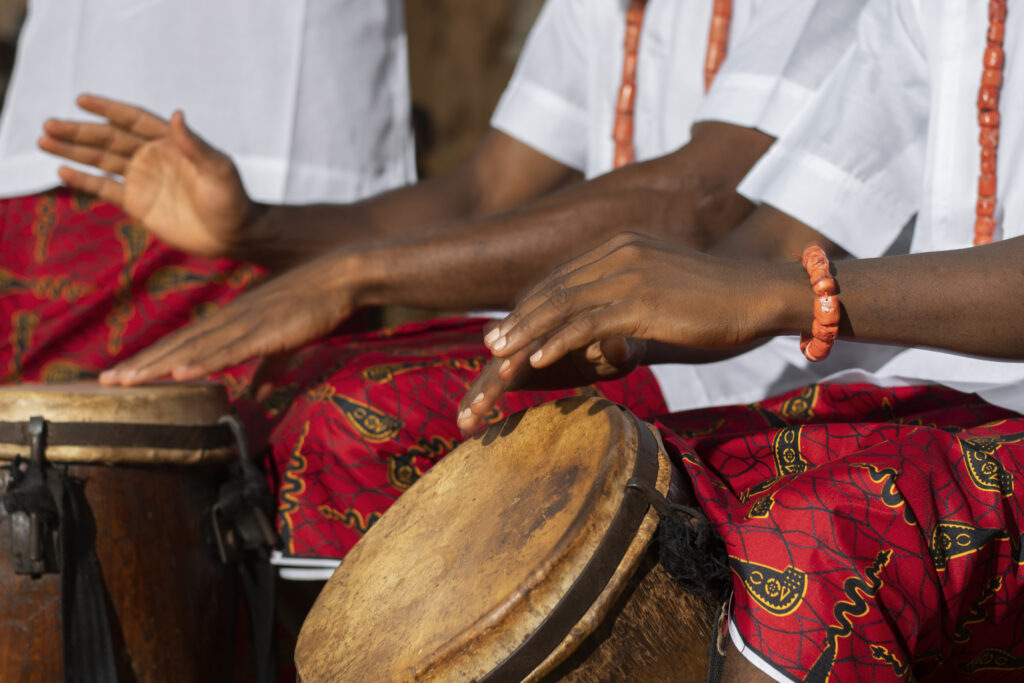
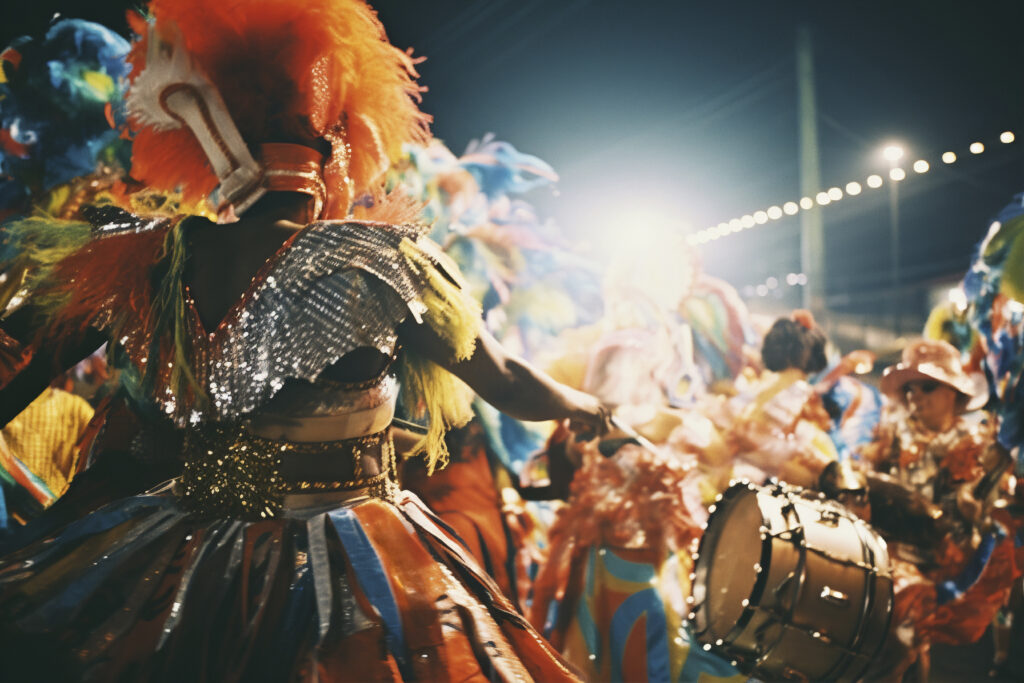
“Eghogho,” means joy, celebration, and happiness in the Auchi dialect, which captures the spirit of the festival. The Eghogho Festival brings together all initiated sons and daughters of Auchi from across generations. While celebrating manhood, the festival also honours of rich cultural heritage Auchi through food, music, fashion, language, religion, and the arts.
Above all, the festival provides a platform for celebration, reunion, and interaction among all age groups, reigniting the common cultural legacy that binds the Auchi people together. Everyone belongs to an age group, and this festival uses that institution to reawaken the cherished traditions of our forebears without contradicting modern religious practices.
S/No | Name of Age Group | Year of Initiation |
1 | Uma-samughele (I) | 1890 |
2 | Umumekhai | 1892 |
3 | Ayobo-erha | 1894 |
4 | Uma-khuamaia | 1896 |
5 | Alemhogie | 1898 |
6 | Uma-khemhe | 1900 |
7 | Okhizoga | 1902 |
8 | Atsabo-ekpe | 1904 |
9 | Oyalhumha | 1906 |
10 | Umaniemhe | 1908 |
11 | Umareghe | 1910 |
12 | Uma-olomha | 1912 |
13 | Uma-okpoghomha (I) | 1914 |
14 | Umakpoghomha (II) | 1916 |
15 | Uma-samughele (II) | 1918 |
16 | Okheloya | 1920 |
17 | Ogbelhuma | 1922 |
18 | Umo-tsemobo | 1924 |
19 | Uma-khanomha | 1926 |
20 | Ozemoya | 1928 |
21 | Uma-khalomha | 1930 |
22 | Uma-okhagbemaokhai | 1932 |
23 | Ogalumha | 1934 |
24 | Uma-okhanilamhai | 1936 |
25 | Okhioya | 1938 |
26 | Ulokho | 1940 |
27 | Okakagbe | 1942 |
28 | Uma-otsekhamhe | 1944 |
29 | Ozumhareghe | 1946 |
30 | Uma-okhabamhai | 1948 |
31 | Uma-otsabomhai | 1952 |
S/No | Name of Age Group | Year of Initiation |
32 | Aiwara-ekpe | 1954 |
33 | Irualogie | 1956 |
34 | Oshioze | 1958 |
35 | Otu-ibo | 1960 |
36 | Uma-khanemaobo | 1962 |
37 | Aitsighi-wilekpe | 1964 |
38 | Uma-okhafpomha | 1968 |
39 | Eshiomogie | 1974 |
40 | Ikhazevbode | 1975 |
41 | Umakha-samhughele (II) | 1976 |
42 | Aizebe-ogie | 1977 |
43 | Ogiagbelhe | 1978 |
44 | Agbomhe-asimhi | 1980 |
45 | Umakpoghomha (III) | 1982 |
46 | Okhumhe-ode | 1984 |
47 | Eneshiosimhi | 1988 |
48 | Oshiozekhai | 1990 |
49 | Egielhemhe-asimhi | 1992 |
50 | Egielhemhe-iya | 1994 |
51 | Aloaye | 1996 |
52 | Okugbe-khafu | 1998 |
53 | Aidokhai | 2000 |
54 | Afe-akhuye | 2002 |
55 | Emho-abino | 2004 |
56 | Ainevbo | 2006 |
57 | Umakpoghomhe-nofpua | 2008 |
58 | Azomode | 2009 |
59 | Enemie-lama | 2014 |
60 | Auchi – Okpa 1 | 2016 |
61 | Osomegbe | 2018 |
62 | Al-Ballad | 2022 |
63 | Akpoghomha | 2023 |